Showing posts with label DANCE. Show all posts

Friday, July 3, 2015

54: The Director's Cut / *** (2015)

A modest act of vision can instigate hard-fought wars within the film industry, and such battles are seldom resolved in the favor of directors. One of the more legendary discussion points in that scenario is Mark Christopher, whose “54” – a long-forgotten relic from the summer of 1998 – arrived on screen in a flurry of hype, and then left with scarcely a notice beyond faded party-goers. It had been pushed by the Miramax promotion machine as the definitive expose on the controversial legend of Studio 54, but what wound up showing in theaters was actually a watered down rendition of Christopher’s original picture, which had been butchered significantly and then refilled with a variety of reshot footage (reportedly, up to 30 minutes of alternate scenes). The reason? According to the film’s distraught creator, the studio wanted less drug use and homoeroticism than what they were given, and demanded more visual excess (not to mention a much more conclusive ending). Only years later did the tribulations of it all come to our full awareness, further perplexing the matter: if the released product was such a financial and critical failure, what was the harm in releasing the original version in some other format after the fact?

Tuesday, March 17, 2015

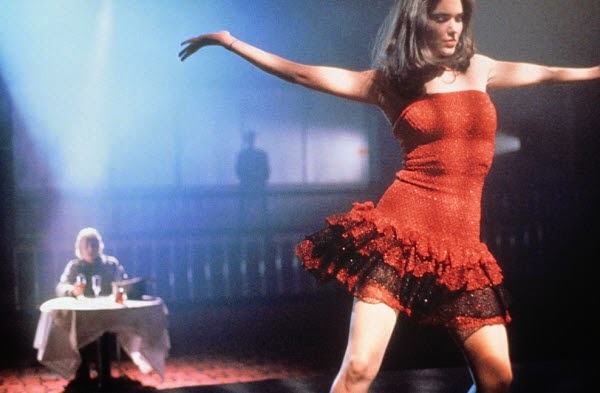
Lambada / ** (1990)

The obscure Lambada craze was never as big as its creators probably would have desired, but imagine telling that to the impulsive minds of Hollywood. In the early months of 1990 and amid impending wonder of what new trend would sweep pop culture, movie studios greenlit not one but two films about said dance – a combination of salsa and dirty dancing that depended on hips swinging seductively to Latin-fueled rhythms – and eagerly awaited their opportunistic conviction to pan out into something of a financial success. Their gamble, much like the notion of Lambada itself, puttered out too quickly to garner much notice, and both pictures were rush-released on the exact same weekend in order to avoid prolonged post-production losses. Thirty years later, their footnote of an existence is notable in the sense that they are among some of the most dumbfounding bad movies of their time, often held up as the most absurd examples of how knee-jerk the movie system can be when it comes to anticipating trends. Seeing them so many years after they barely registered a blip on theatrical radar, one marvels that our cinema is so capable of housing just as many silly agendas as they do the thoughtful sensibilities of more talented artists.

Monday, December 15, 2014

The Forbidden Dance / 1/2* (1990)

“The Forbidden Dance” is the most unpleasant dance movie ever assembled, a film that defies all sense of merit by intercutting an endless array of pelvis gyrations and Latin-inspired grooves with a tone so inconsistent and downtrodden that it left me wincing in discomfort. As an experiment of genre sensibilities that follows the successes of “Dirty Dancing” and “Footloose,” the movie also undercuts the formula with even more offensive impulses – namely, the opportunity to use the one-note setup as a mask for pushing a shameless political agenda, and a rather flimsy defense of one at that. What were these filmmakers thinking? Were they genuinely concerned about the issues they raised beyond the ordinary dance movie clichés, or were they (as I suspect) simply using them to add phony dimensions to a premise of stunning simplicity? Their antics seem to be orchestrated by a hand of fate that constantly keeps one of its fingers on the bad taste trigger, and when the movie reaches a point where it forces us to endure a scene in which a scared South American native is leered over by a switchblade-wielding woman who encourages her to undress in a hallway while feigning voyeuristic pleasure, I wanted to scream out in protest.

Monday, November 24, 2014

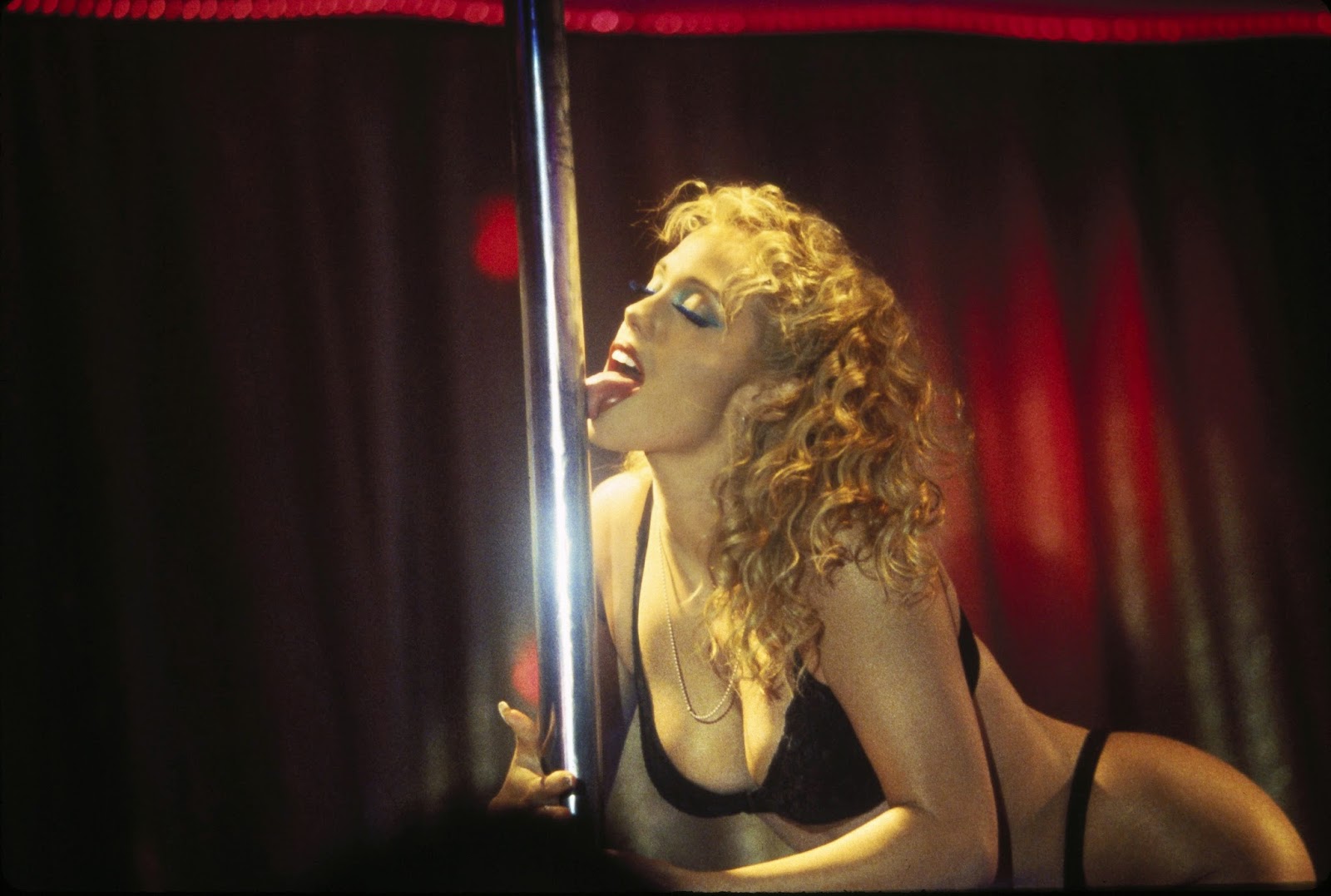
Showgirls / **1/2 (1995)

When Nomi Malone marches right into the early moments of “Showgirls” dressed like a rejected stand-in at a music video shoot, it becomes the first in a long list of our observations that inspire laughter. No, not the kind that is intentional or even self-aware; this is one of countless moments that warrants unexpected chuckles based on an underlying absurdity. That the movie is not even supposed to be a comedy marks it as something of a myopic miscalculation; under the well-known influence of writer Joe Eszterhas and director Paul Verhoeven, what we observe was, in truth, once considered a genuine character drama in the hands of people dedicated enough to the work to supply it with a sense of production value. Perhaps the notion that it was all supposed to be serious was very well sold as a ploy to all those in front of the camera, but who could possibly imagine anyone behind the scenes finding sincerity in this? Who could believe that Eszterhas’ story, a tone-deaf journey through absurd female sex fantasies, had hope of being passable, much less erotic or stimulating? Here is the portrait of a woman displaced from all sense of grace and modulation, who leaves behind the unknown realities of her past and walks brazenly into the bright lights of Las Vegas with a goal to become just another object in a long line of mediocre topless dancers.

Saturday, September 20, 2014

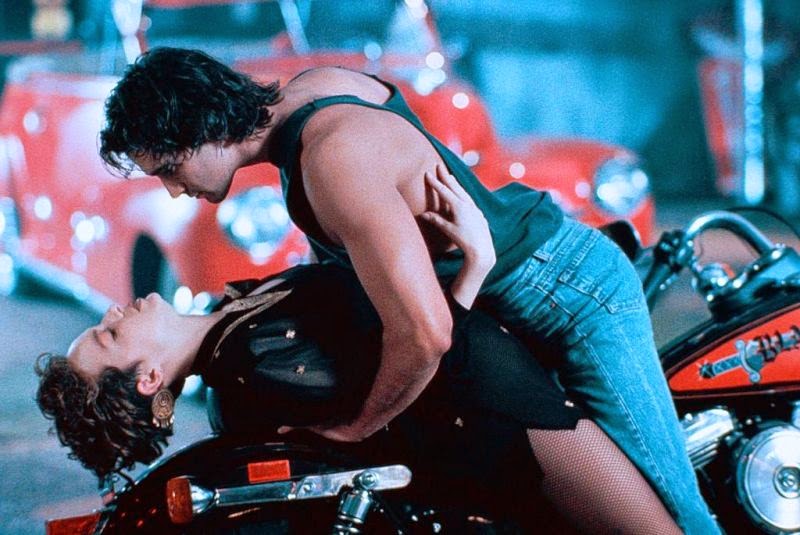
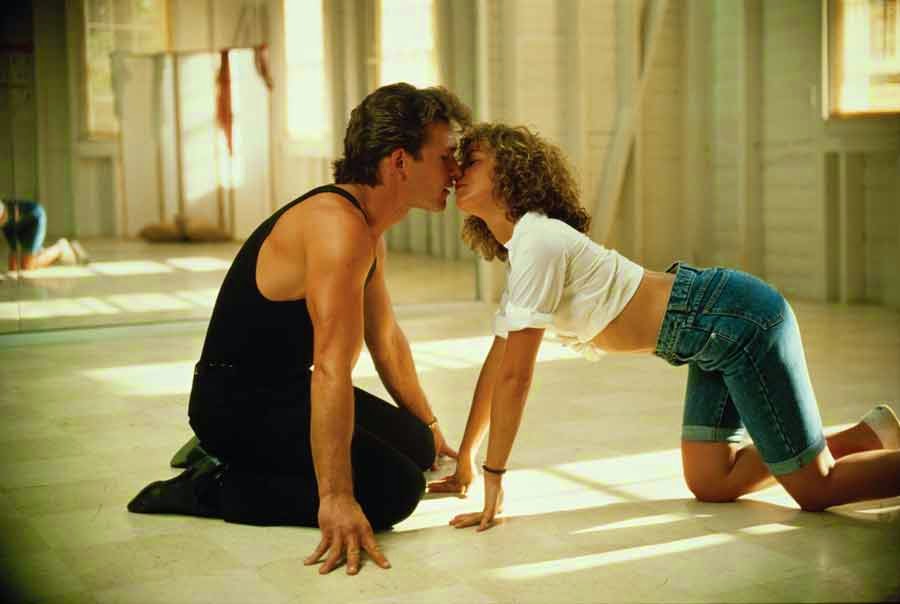
Dirty Dancing / * (1987)

“That was the summer of 1963,” a voice chimes in during the opening moments of “Dirty Dancing.” It belongs to one Frances Houseman (Jennifer Grey), the youngest of a posh east coast family, who is nicknamed “Baby” by everyone around her from the moment she wanders into an upscale resort for summer vacation. What brings her (and her relatives) to this getaway spot involves little more than privileged indulgence, but for her, the occurrence eventually seems to take on a deeper meaning. In the days before the world knew who the Beatles were, Baby’s thoughts are all about two things: joining the Peace Corps to study economics in third world countries, and wondering if she’ll ever “find a guy as great as my dad.” The first sign that we are dealing with a girl of questionable insight lies in that particular observation; because her father, played by Jerry Orbach, doesn’t have a very engaging demeanor outside of always looking morosely detached, one wonders what any kind of daughter could find so attractive about such a personality. But hey, cut a girl some slack: her frame of reference may be handicapped far too early for any screenplay to do much with it.

Monday, January 29, 2001

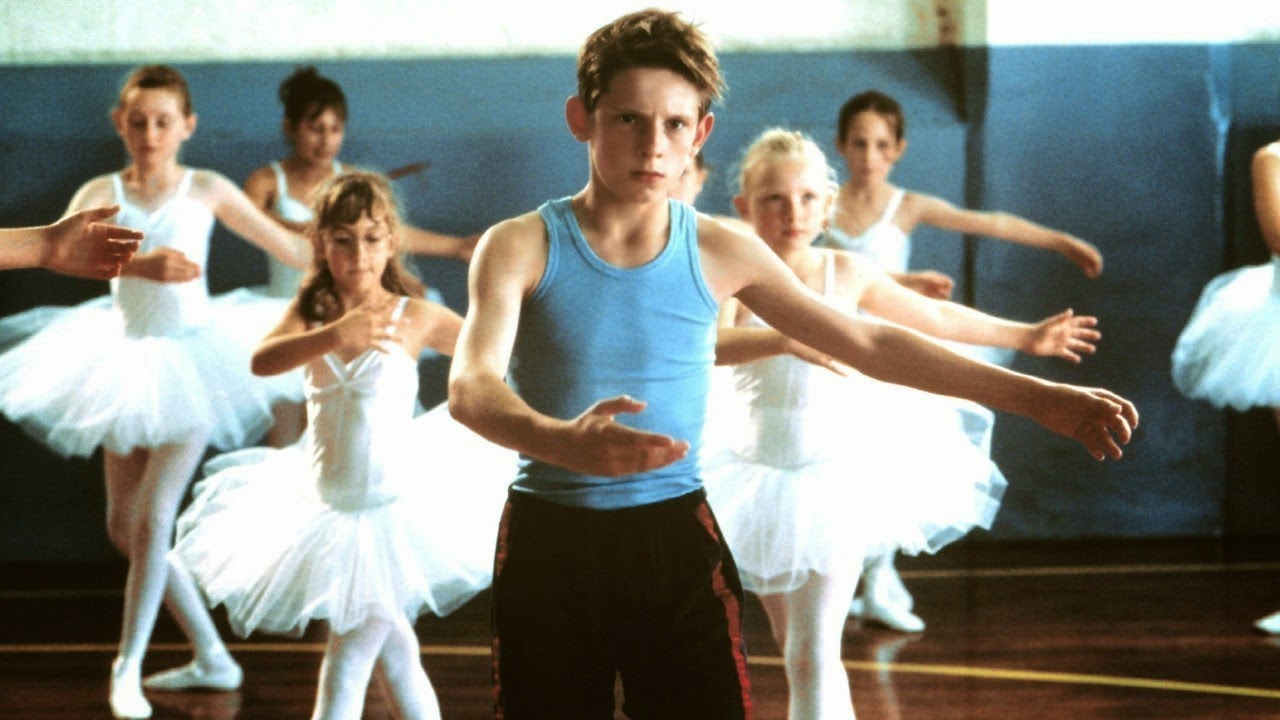
Billy Elliot / **1/2 (2000)

Parents are bestowed with the responsibility of shaping their children into respectable adults, but that doesn't give them the unbounded permission to dictate every minor detail of their lives: the way they think, act, talk, walk, aspire, or even breathe. Of course a parent doesn't intentionally keep his or her offspring on these short leashes, because their basic intent is for a child to grow up in a happy environment, not one in which rules are more like choke-holds. Given the circumstances, exactly how does a kid break away from this kind of tight grasp to make some of their own decisions without seeming disobedient or rebellious? The key is in good communication; unless the little one has some kind of courage to tell his parents how he or she feels, the situation faces no improvement. In fact, those who simply let their elders run their lives down to the last detail will sense that dictation looming over them even after they've grown up and moved on.