Saturday, July 29, 2000

Boys and Girls / **1/2 (2000)

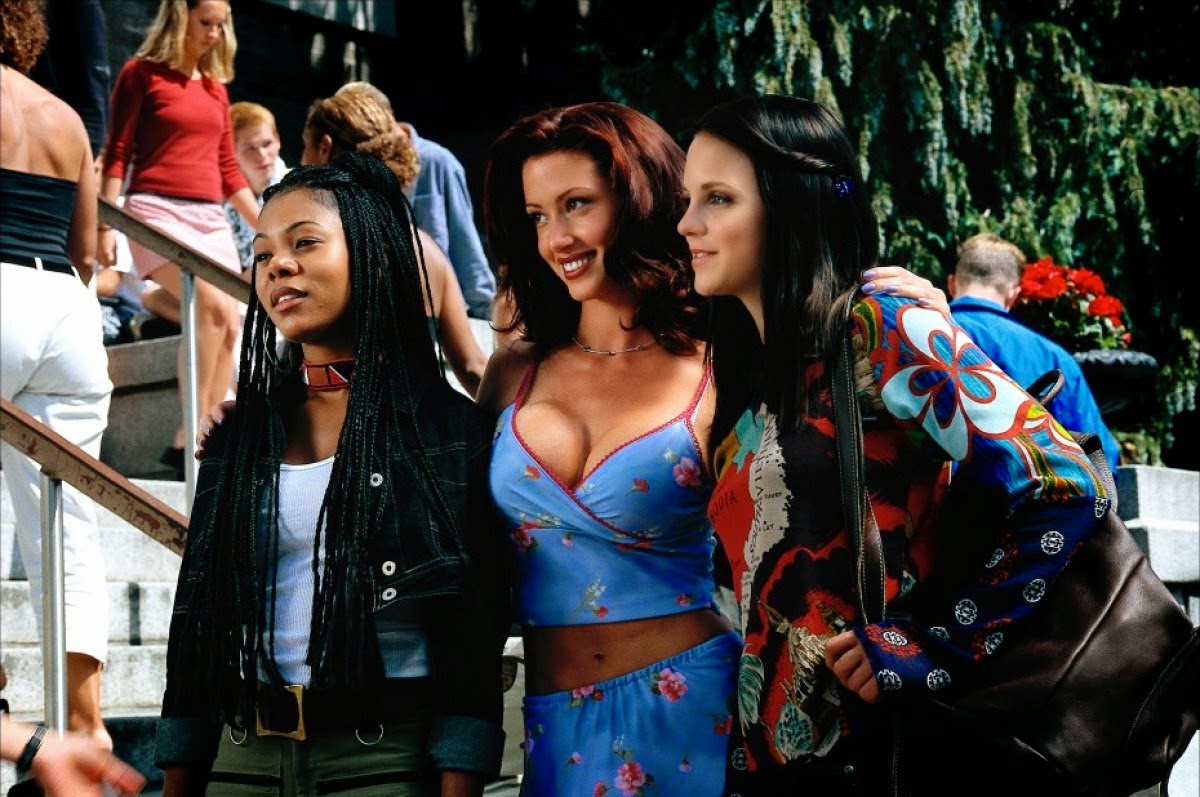
“Boys And Girls” has characters bursting with energy so intense and vibrant that you wish there was a more interesting plot to keep them occupied. At a point when movie personas are gauzy rip-offs of smarter characters from older pictures, their arrival onto the screen is met with warm embracement, especially from those who (like myself) are tired of the incessant idiotic depiction of America’s youth through the eyes of actors who aren’t even teenagers to begin with. Like “American Pie,” here is a radiant display of the sauciness, sophistication and intelligence of students, and how their skills can literally wreak havoc in the lives of those around them.

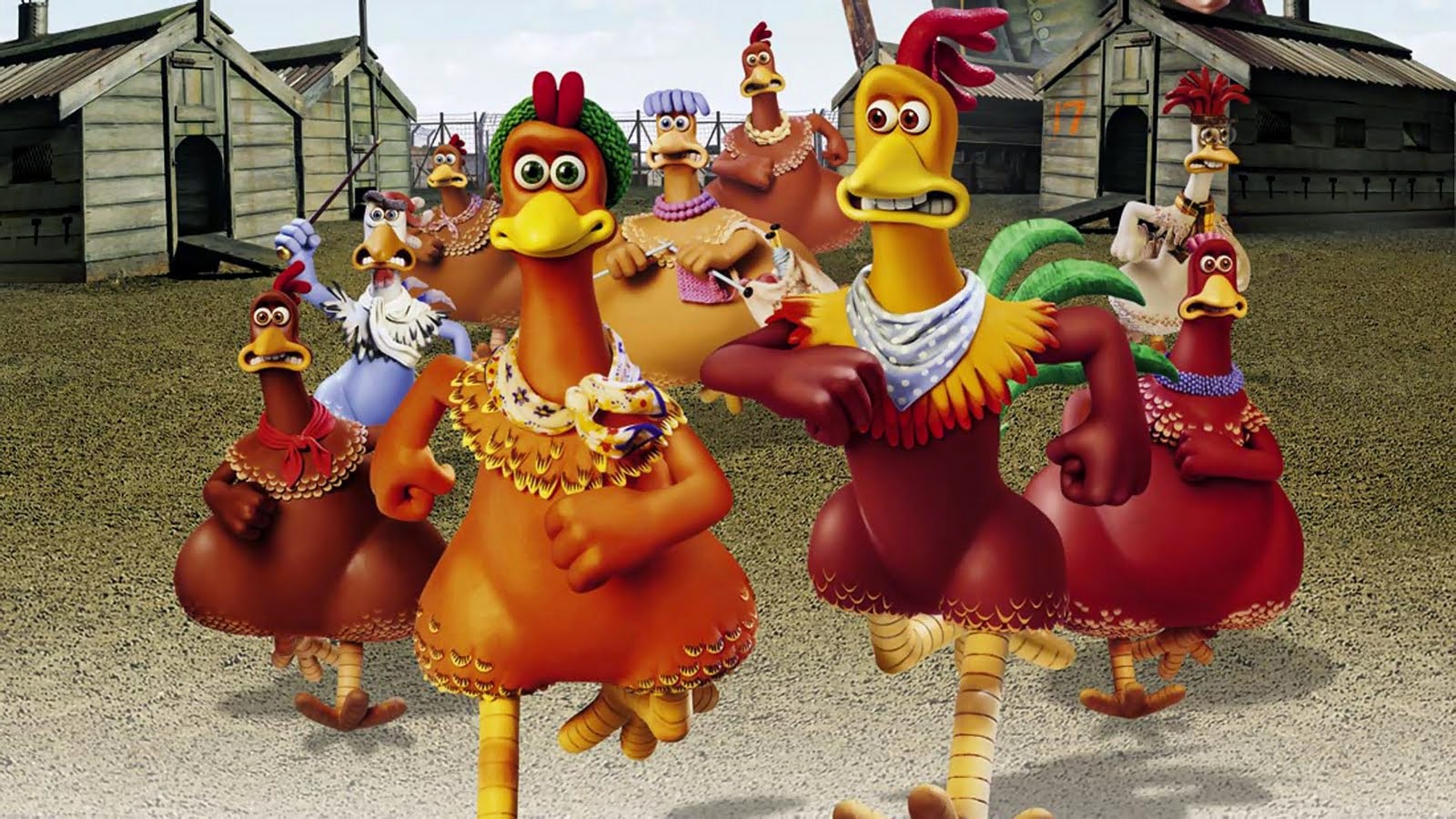
Chicken Run / ***1/2 (2000)

The claymation technique that is utilized in Dreamworks’ charming “Chicken Run” is one of the many masterful movie art forms that has become lost amongst the upheaval of more mainstream (and usually less fulfilling) approaches, and the one format of movie animation in which the primitive realm it is cemented to still has a tendency of enticing audiences more than evolved ones. After computers took over the field in the mid 1980s, movie animation is consistently trying to push the envelope, introducing spectacular techniques so frequently that there is little opportunity to give them a sense of diversity.

Disney's The Kid / *** (2000)

“Disney’s The Kid” is the type of movie that walks thin lines dividing ripe emotion with cheap sentiment, but is so confident in its own execution that none of us really mind. Self-assurance is usually the first positive notch towards bandaging the infectious emotional wounds that plague productions like this, but in the recent years, consistent contrivance has turned most melodramas into a display of groans and complaints from the moviegoers who endure them. You can usually tell the difference between the two; a film aiming for some sort of plausibility in its sentiment will anchor the grievances and/or happy occasions on a significant plot structure without over-the-top complexion. A latter example would be a film that devotes its entire time to unleashing endless tear-jerker situations back-to-back without any dramatic or narrative purpose (other than to coerce audiences into pulling out tissues).

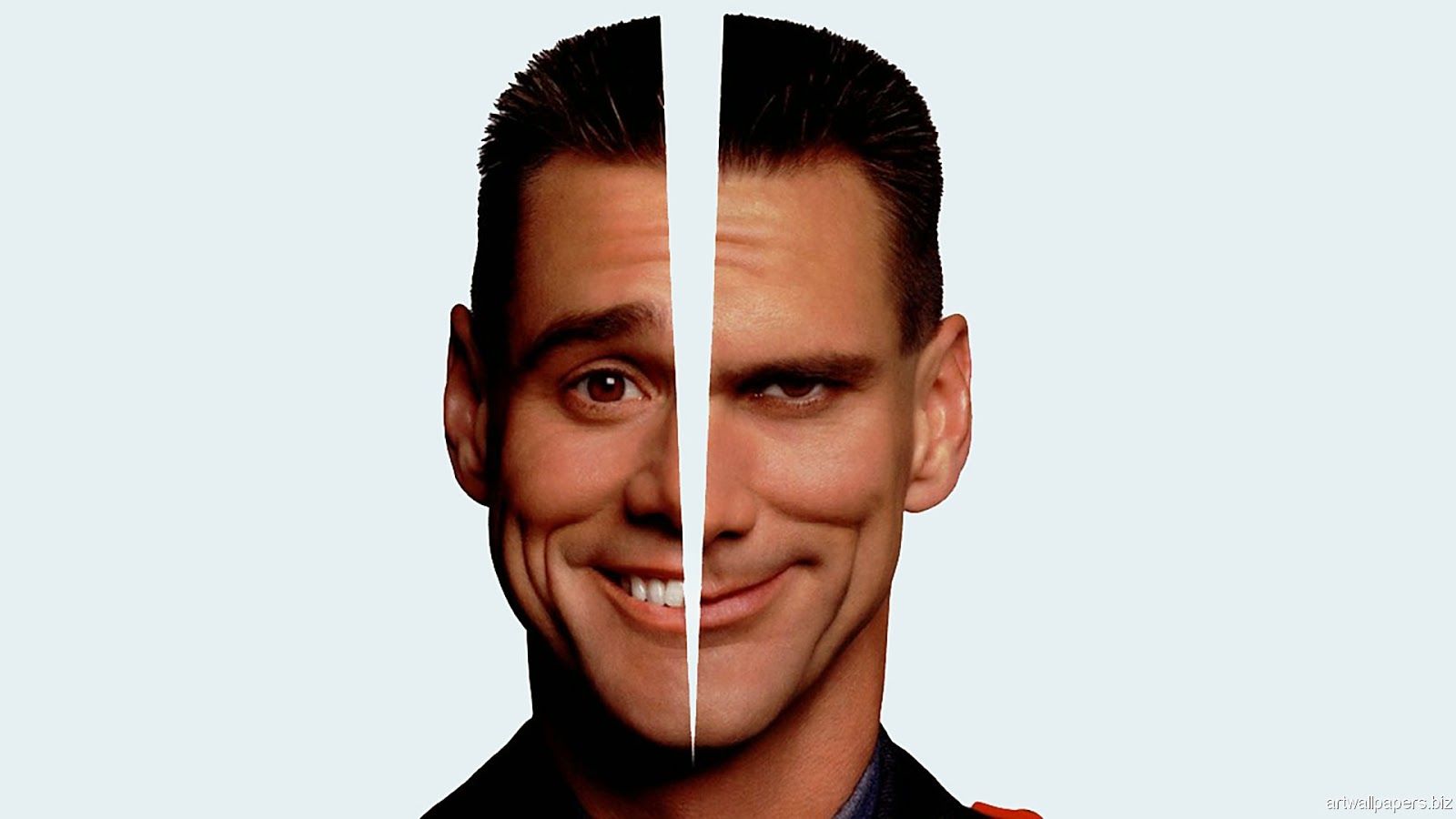
Me, Myself & Irene / * (2000)

“Me, Myself & Irene” is exactly what happens when filmmakers stake into new territory, lose sensible navigation, fail to realize their mistake and repeat the process for lack of better enterprises. After their lame and pretentious effort that is “Outside Providence,” one might have hoped that the brothers Farrelly, famous for their hits like “Dumb And Dumber” and “There’s Something About Mary,” would retrace the steps that gave them success in the first place for their next creative endeavor. That, needless to say, might have been the last thing on their minds, especially since the film features the comedic return of Jim Carrey, whom one reader of mine says “can make any screenplay worth the ticket price.” Little did he fail to realize that there is material sometimes so bad that no one can redeem its frequent inadequacies.

The Patriot / *1/2 (2000)

“The Patriot” is a blood-soaked, incessantly gory clutter of a movie that tries hard to pass itself off as a noble war epic seethed in family values and national honor, and then expects us not to distinguish its endless contradictions or vast narrative shortcomings. Too bad those aren’t even the extents of the problems. Directed and produced by the same pair who masterminded the summer garbage “Independence Day” and “Godzilla” a few years back, this loathsome, sour and often confusing endeavor sponges off the formulas of half-a-dozen other war films but exchanges the realistic intensity with gratuitous and over-exercised bloodshed. The fact that it uses an event like the Revolutionary war to serve its own warped propaganda gives an extra twist to the knife in our backsides.

The Perfect Storm / ** (2000)

Wolfgang Petersen’s “The Perfect Storm” is the kind of disaster picture in which ships tossing around through mile-high water waves is inclined to so much observation that the narrative drowns out long before any climax is attained. And this is sad, to a certain extent, because the infamous genre revolved around natural disasters can at times dish out rather successful endeavors that combine both mind-numbing sequences of utter catastrophe with heartfelt human emotion. “Disaster dramas” are what they should be called: the few that lay waste to creation, but are courageous enough to peer into the eyes of a victim and ask, “how does this affect us as human beings?” Most of them, like “Volcano,” are too concerned with loud sound and visual effects to stand back and admire the human spirit of the stories.

Scary Movie / ** (2000)

In the opening moments of “Scary Movie,” Carmen Electra is taunted by a man dressed in a cloak and ghost mask, whose voice is disguised so well that she doesn’t know who it is when he asks what her name is. Why does he wish to know her name? “Scream” taught us in 1996 that killers like to know exactly who they are looking at, but this particular man is not checking her out from a distance; rather, he is gloating over her latest spread in Playboy. Suddenly a chase breaks out, and the murderer plunges a knife into her chest, pulling out a breast implant upon release of the weapon. These early scenes have such positive energy between victim and murderer that we suddenly see glimmers of hope, as if, at long last, the dead and buried spoof genre has found its shovel. But alas, like all of its ancestors, “Scary Movie” is a comedy stumbling around on stilts, a film so dreary, shapeless and juvenile that the laughs are low and attention spans become disconnected before the first half hour is through.

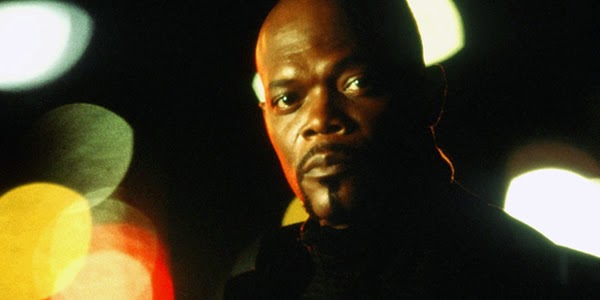
Shaft / ** (2000)

Of the endless chain of flicks that came out of cinema’s “blaxploitation” era in the early 1970s, none have quite gone down as revered and well-respected as “Shaft” from 1971. Slick, hip and stylistic, with broad strokes of energy around the edges (particularly in the unforgettable title them from Isaac Hayes), Gordon Parks’s film about a cop who played by no rules but his own was an early example of how action movies could be given an array of freedom without technology or loads of dough clogging production values. It was hardly a classic, especially given its rather inane narrative, but acceptable all the same; not many movies, after all, came out of the blaxploitation craze that were not mulled down by some kind of displeasing point of view (not that I’m one to speak wholeheartedly about the genre’s scope given my limited wisdom on it).

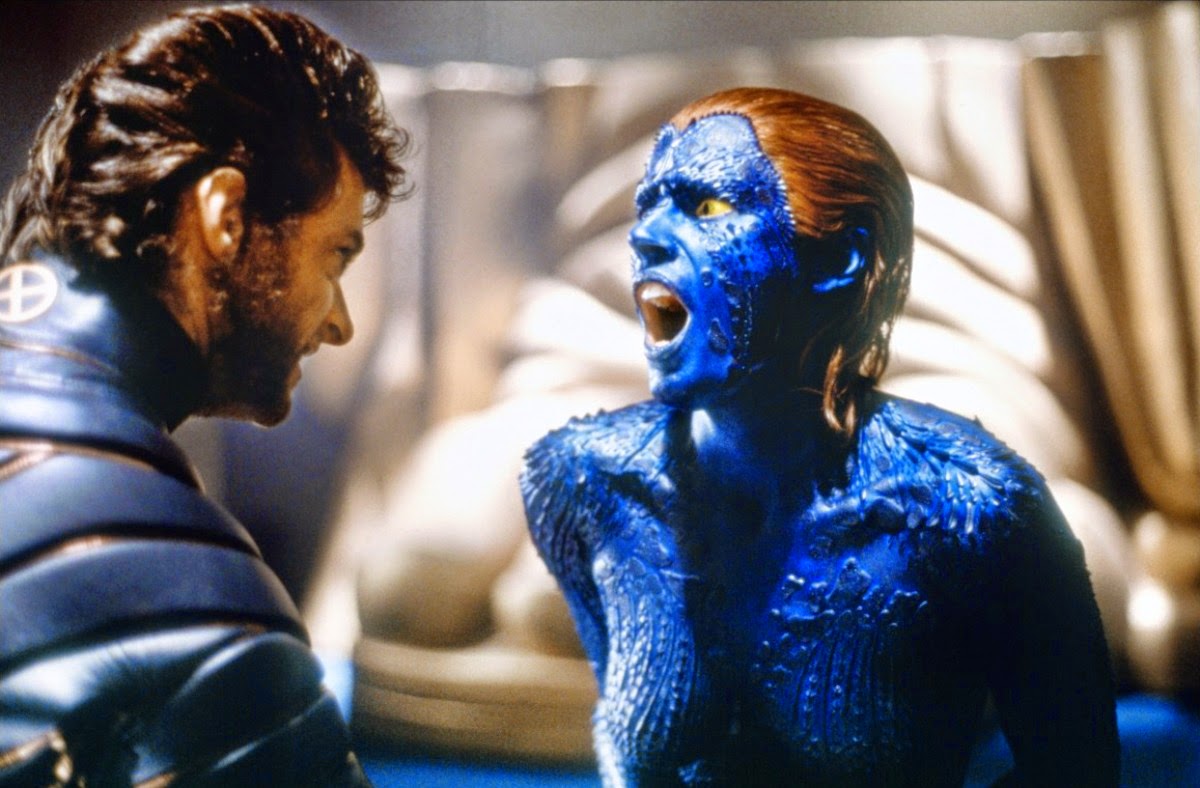
X-Men / ***1/2 (2000)

The genetic evolution of the human being, as we are told at the beginning of Bryan Singer’s “X-Men,” takes a gigantic leap every hundred centuries or so, creating a rift between those affected with the transformation and those who remain undisturbed by it. At the end of the 20th century, such developments have unleashed a society of superhumans: people who exhibit altered physical or mental attributes which allow them to attain capacities that no standard being could hope to achieve. Any person who has fallen victim to this transformation should be grateful to have been given this chance, but since the broad scope of humanity refuses to accept them because of their differences, these traits are actually regarded as punishments. In such a society, the word “mutant,” which they are referred to as, becomes synonymous with “freak.”

Friday, June 23, 2000

Big Momma's House / * (2000)

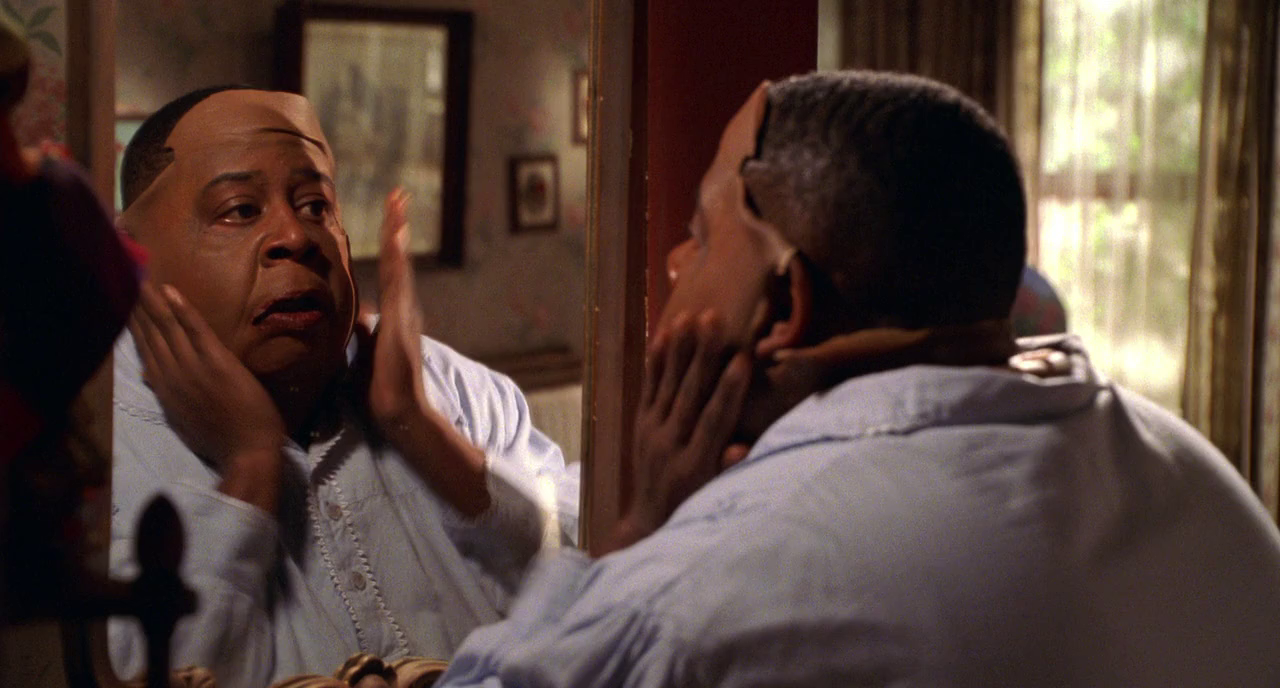
“Big Momma’s House” makes a severe error in judgment by assuming that, when slim men dress in drag in comedies, playing overweight women in their twilight years is the compulsory approach. This plunge has already seen more than its fair share of interpretations in the cinema, and as such, has become a tired and clichéd instrument of movie making. The idea was most recently milked to death by comedies such as “Mrs. Doubtfire” and “The Nutty Professor,” but those films, at least, are ambitious in certain ways. The filmmakers behind “Big Momma’s House” seem to only have one desire in mind: to trap an actor in an oversized body suit, have him wander around and, ever so often, shout out insipid dialogue to see if moviegoers’ interest will last long in the less-than-amusing transformation.

Fantasia 2000 / **** (2000)

Like most prominent filmmakers, Walt Disney was a pioneer of cinematic innovation, and when the success of animation marked a new turning point in filmmaking in 1937 with “Snow White And The Seven Dwarfs,” the idea of blending classical music and detailed hand drawings in the movies was an experiment too promising to ignore. Over half a century after that test, his endeavors are proudly recognized across the globe; the now-legendary production of “Fantasia,” originally dubbed by Disney “The Concert Feature,” remains the benchmark for the continuing growth of animation and the imaginative minds that help bring it to life. Few people are able to see the picture (or rather, the event) and not remember the beautiful, colorful images that visually represent the brilliant musical compositions of composers such as Beethoven and Bach. In most respects, the perception of Mickey Mouse wearing the magician’s hat has become the perennial Disney trademark.

Gone In Sixty Seconds / *1/2 (2000)

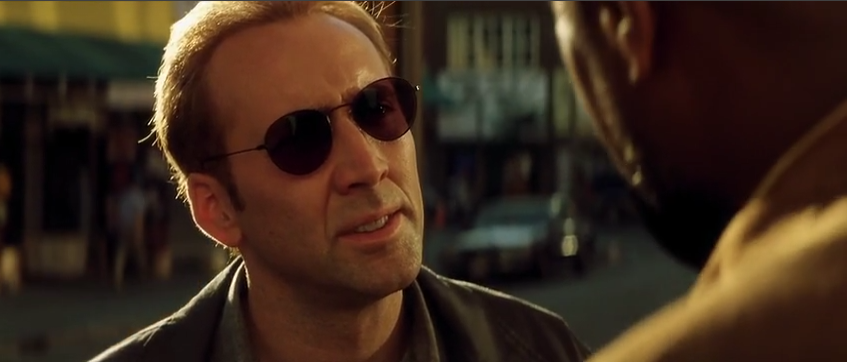
Movies like “Gone In Sixty Seconds” are the least-difficult to sit through during the summer because they follow such simple-minded and routine formulas that theaters might as well provide checklists. It opens with the assumption that experienced car thieves have the audacity to cease all their illegal activities if it means that younger siblings would not follow in their footsteps. How noble of them. Then the movie prepares an obligatory backfire by having the younger sibling get mistakenly involved with a powerful local criminal, who will instigate the revival of these illegalities so that he will wind up with 50 rare stolen cars, and the thieves will save the life of the innocent bystander. Once all of these conditions are absorbed, only one question remains: how many times have we seen all of this before, only in different moods and premises? Those who flock to theaters at the mere mention of a film associated with Jerry Bruckheimer could give you a direct answer.

The Last Broadcast / *** (1997)

In order to get novel but low-key movies noticed, it’s essential for someone to bring the idea into the mainstream. Such is the scenario which brought us the sleeper hit “The Blair Witch Project” last year, the low budget, unconventional thriller that documented the descent of three filmmakers into Maryland woods who were in search of a legend, but found something more terrifying than anyone could have imagined. Like so many new ideas, the “mockumentary” approach of the film has generated massive interest in moviegoers, who have sifted through countless formulaic horror movies in the recent past while in search of successful thrills. Inevitable, it seems, that two sequels to the Blair Witch saga are in the works, along with various clones.

Mission: Impossible 2 / *1/2 (2000)

When it comes to in-your-face action flicks, director John Woo is a force to be reckoned with. Peering into his past, we see a body of work overflowing with wondrous drive—works like “Face/Off” and “Broken Arrow,” which are plagued by shortcomings as narratives, but are guaranteed show-stoppers in regards to the involved action sequences. He approaches them in a way few blockbuster directors do, using unique camera angles and swift but precise editing to ensure the stunts look both inventive and plausible. If only he were given a decent script to go along with these ambitious convictions, though.

Road Trip / **1/2 (2000)

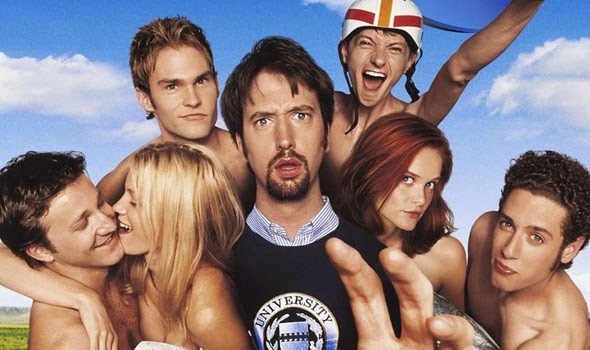
Teen comedy has a history of skirting the line between plausible and pretentious, and with the ambitious “Road Trip,” laughs fly off the screen so fast and consistently that, eventually, the movie shifts into overdrive and practically commits suicide. One can easily smile at the endless supply of quirks offered here: crude sexual undertones, jolting irony and biting one-liners, just to name a few. And yet the picture loses its push just when things are heating up; it assumes that audiences have been manipulated enough to be amused by an oncoming chain of breast shots and banalities of the elderly and the obese. Most will sense something terribly wrong once the film gets so desperate for plausible laughs that a characters winds up holding a mouse in his hands to imitate a snake on the verge of devouring its next meal.