Friday, January 25, 2002

Orange County / 1/2* (2002)

Despite the fact that we are only three weeks into the 2002 movie season, it already appears that we are heading into the midst of a long, dreadful string of second-rate film releases over the next few months.

The recent sudden catastrophe at the movie theater, a common occurrence every year as studios wrap up the releases of their Oscar contenders, began two weeks ago with "Impostor," a sci-fi film conceived in the vein of "Battlefield Earth." Now comes "Orange County," a situational comedy in which the only funny thing is the fact that decent human beings allowed themselves to be associated with it.

Rollerball / zero stars (2002)

As movie theaters slowly but surely toss aside the remnants of the 2001 award contenders, we as a defensive moviegoeing public continue to be subjected to a relentless batch of massive cinematic mistakes, a deed that normally occurs in the first four months of every new year as movie studios attempt to wipe their slate clear of any major errors of the past. Audiences already know the painful experience of witnessing this year's notable travesties—including "Orange County," "Impostor" and the recent "Slackers"—and will undoubtedly keep their defenses up as we sleepwalk our way towards a (hopefully) brighter future at the multiplex.

Friday, January 18, 2002

The Best and Worst Movies of 2001

January 18, 2002

THE BEST MOVIES OF 2001:

1 - The Lord of the Rings: The Fellowship of the Ring
Few times in the recent past has a movie so swiftly shattered the highest expectations of our moviegoers and totally restructured the way we view the cinema. Peter Jackson's first of three installments of J.R.R. Tolkien's trilogy of "The Lord of The Rings" is exactly that kind of movie, one that not only tells its story thoroughly and wisely, but also takes us to places more elaborate, lush and vivid than those of the most intimate corners of our imaginations.

Monday, December 24, 2001

The Lord of the RIngs: The Fellowship of the Ring / **** (2001)

Listening to the opening narration delivered in "The Lord of the Rings: The Fellowship of the Ring," I was instantly swept back into the archaic but opulent realm of J.R.R. Tolkien's Middle-earth, where hobbits, elves, dwarfs, wizards and mortal men became united in their quests to save the lands they loved from almost certain destruction. It was a place I had not visited for quite some time, and yet one where I could still clearly visualize the lush landscapes that hedged the ambitious journeys of the story's endlessly colorful characters. That's because Tolkien's work in his "Lord of the Rings" trilogy is likely the most vivid and enduring material ever created in fantasy literature, work that transcends all boundaries of time and storytelling and flourishes off the imaginations of its readers. Those of us who read the books are instantly enraptured, and few, if any, admirers are able to forget the experience.

The Man Who Wasn't There / ** (2001)

The Coen brothers ambitiously set out to prove something in their latest feature, "The Man Who Wasn't There," but I'll be damned if I know what. The movie is one of their most ambiguous, subtle and unrewarding endeavors to date, and the fact that it adopts the most visually attractive and nostalgic style seen in a picture this year only fuels the obvious issue, which is that "Fargo" is their masterpiece and lightning will likely not strike in the same place twice.

Memento / ***1/2 (2001)

Since the moment it was first projected on the movie screen earlier this year, "Memento" has made the kind of impact on audiences that hasn't been seen since "American Beauty" or "Pulp Fiction," the kind that leaves viewers in a situation so filled with new ideas and reasoning, instantaneous discussions are provoked. Admittedly, I was not part of this initial discovery; somehow, someway, I allowed the film to simply float over my head, never even seeing it until just recently on DVD. Now that there has been a chance for me to catch up on the phenomenon, I long to immerse myself in those rich discussions with close friends, who have seen the picture perhaps countless times by now and yet still find so much to talk about regarding it. And they have good reason to; whereas the majority of theatrical releases in 2001 were so bland that they practically blended together, a film like "Memento" stands out, dares to challenge the common style, and ultimately gives birth to a new mold of storytelling. It is the jackhammer for our frozen imaginations.

Monster's Ball / ***1/2 (2001)

The title of "Monster's Ball" pertains to the last preparations made for a prison inmate as he takes his last journey down death row. The final party, as it is commonly referred to in the movie, consists of the last meal, final farewells, last-minute phone calls, words of wisdom and the like, all arranged and carried out by the prison guards in a concise but almost celebratory manner. Corrections officer Hank Grotowski (Billy Bob Thornton), who oversees the Monster's Ball of an inmate towards the beginning of the picture, believes every element leading towards the man's impending death should be perfectly executed; according to him, it's the only appropriate kind of sendoff. But when his own officer son, Sonny (Heath Ledger), becomes nauseous during the final walk and collapses onto the floor, Hank is totally outraged and becomes violent, so much so that eventually, other officers have to intervene and hold the tempered father back. Pulling away from the final walk like that, we gather, disrupted Lawrence's deserving sendoff.

Waking Life / ** (2001)

Sitting through "Waking Life" is like being trapped in a painting filled with philosophy students; every visual of the movie bleeds of elaborate abstractness, but you rapidly lose interest because those who stand in front of them discuss life, destiny, dreaming and imagination to a degree that feels repetitive and endless. Halfway through the film, there is a moment when a character looks over to another and asks him "what are you writing?" His reply: "A novel. But there's no story; it's just people, gestures, moments, bits of rapture fleeting emotions. In short, the greatest story ever told." This is the basic thread of logic the movie follows, because other than characters passing each other and opening themselves up to dialogue exchanges, there is no plot or element of basic storytelling contained in the picture. Needless to say, it eventually leads to ultimate boredom. And even then, that idea itself might have at least worked had the characters found more interesting things to talk about.

A Beautiful Mind / ***1/2 (2001)

Modest, reticent, offbeat and underestimated math genius John Nash is told at the start of "A Beautiful Mind" by an instructor at Princeton that he, or any one of his fellow classmates, could very well be the next Isaac Newton or Albert Einstein. Immediately we see the groundwork layed for a standard feel-good character study, saturated with promises of cheep and shameless sentiment and dripping with the obvious intent on manipulating audiences right down to the last provoked tear. Our anticipation, which has been built drastically in the recent weeks thanks to an ominous yet intriguing promotional campaign, suddenly dies down, and as we wait in the dark theater for the picture to throw out its first emotional outburst, we ache with displeasure.

The Endurance / **** (2001)

"There is nothing that can crush a man as to see his dreams crumble to the dust."
- Dialogue from "The Endurance"

A reference is made early on in "The Endurance" in which the narrator (Liam Neeson) refers to the voyage depicted in the film as the "last great journey in the heroic age of discovery." Immediately the mind is flooded with memories of high school history classes, when the majority of us were taught about the perilous but exciting journeys of explorers like Hudson and de Leon, who sought after, and eventually found, pieces of land that few human eyes had seen before. Much less extensive, however, is our knowledge in regard to the 1914 expedition of famed explorer Ernest Shackleton, who, only months before setting sail on his ill-fated adventure, placed an ad in the local British newspaper asking for volunteers to undertake the dangerous, potentially life-threatening task of crossing the entire Antarctic continent on foot—something that had yet to be done. How could most of us miss this piece of history? It's not as if the story is lacking in detail; in fact, "The Endurance," a fascinating new documentary, provides the viewers with enough specifics to almost make them scratch their heads in amazement.

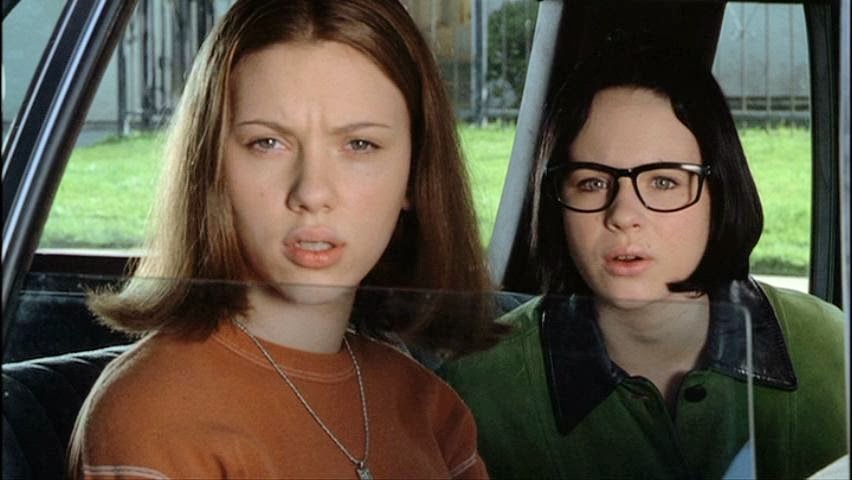
Ghost World / *** (2001)

The months preceding and following a high school graduation are the most crucial for teenagers because they are when all the important decisions regarding the future have to be made. A huge weight feels like it has been lifted once the diplomas are in their hands, but the pressures of real life persist, and only when these young adults have set clear goals for themselves and their futures does the outlook appear to be less treacherous to navigate. Those who put off such imperative decisions only make the road ahead steeper and bumpier.

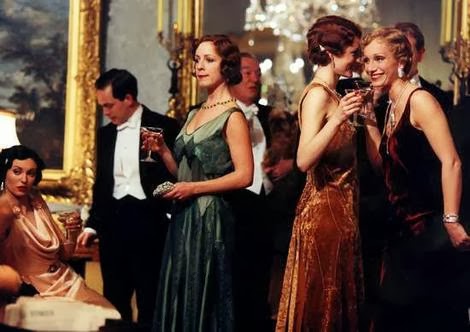
Gosford Park / **** (2001)

Robert Altman's "Gosford Park" is one of those movies that charges at us like a stampede of Zebras, startling and unexpected, yet mesmerizing and wondrous all at the same time. Grasping at its viewers through breathtaking visuals, elaborate characters studies and jaw-dropping plot devices, the picture strikes with such brisk force that few have enough time to express a reaction. And that's somewhat of a surprise given the nature of the premise, which takes on the classic "whodunit" approach in a relatively familiar way: by setting the scene at a reclusive, towering mansion built deep into the countryside, where countless high-profile characters are invited into its walls for fun times, free food and cushy living.

Friday, November 16, 2001

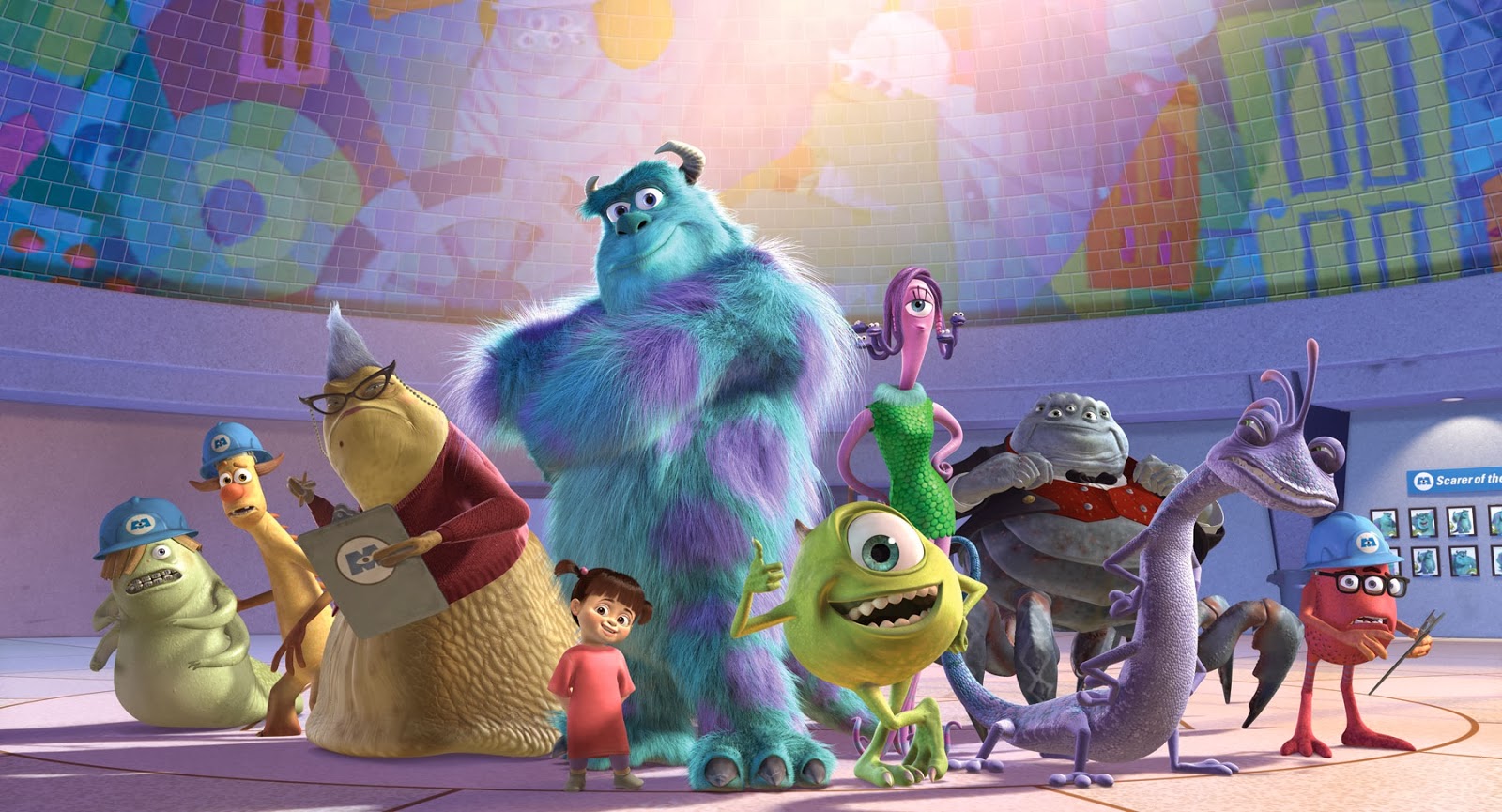
Monsters, Inc. / *** (2001)

On the other side of closet doors, in a universe right next door to the ones explored in "Toy Story" and "A Bug's Life" (in which toys and insects live social and productive lives), lies the land of Monstropolis, a colorful but eccentric cityscape that houses beings not unlike what many of us imagined were living in closets or under beds when we were young. What has never been said of monsters, however, prior to Pixar's "Monsters, Inc." is that human children scare them just as much as they scare us, and though kids may pull blankets over their heads for fear of a furry large beast emerging from a doorway, those same large creatures live with the idea that all children are toxic and can hurt them right back.

Friday, October 19, 2001

From Hell / ***1/2 (2001)

"One day men will look back and say I gave birth to the twentieth century."
-Jack the Ripper

Society has been fascinated over the years with homicidal maniacs considerably less monstrous than that of the ambiguous Jack the Ripper, a serial killer whom, in 1888 London, killed five prostitutes in ritualistic and horrendous ways, and then seemingly vanished into thin air, never to be found or heard from again. Many allude to his existence as that of the first tabloid star, a man whose heinous acts were so widely reported and anticipated by the media, thousands of newspapers were literally born in England because of him. What's most disturbing, perhaps even more then the killings themselves, is that this was likely the whole point behind the Ripper's crimes. He didn't simply know his mayhem would raise him to celebrity status in the eyes of the public, he knew that he would set a standard for future generations to imitate.

Snow White and the Seven Dwarfs / ***1/2 (1937)

Sometimes it takes an earth-shattering event before you are able to truly appreciate something you haven't before, and the recent DVD release of Disney's first animated feature, "Snow White And The Seven Dwarfs," is evidence of that. What the studio has done in restoring their crown jewel of feature animation is one of the most astonishing things we will ever see, a sophisticated and informative remargining of one of cinema's most beloved movie fairy tales that doesn't simply present a restored classic as much as it re-energizes it.