Friday, June 23, 2000

Gone In Sixty Seconds / *1/2 (2000)

Movies like “Gone In Sixty Seconds” are the least-difficult to sit through during the summer because they follow such simple-minded and routine formulas that theaters might as well provide checklists. It opens with the assumption that experienced car thieves have the audacity to cease all their illegal activities if it means that younger siblings would not follow in their footsteps. How noble of them. Then the movie prepares an obligatory backfire by having the younger sibling get mistakenly involved with a powerful local criminal, who will instigate the revival of these illegalities so that he will wind up with 50 rare stolen cars, and the thieves will save the life of the innocent bystander. Once all of these conditions are absorbed, only one question remains: how many times have we seen all of this before, only in different moods and premises? Those who flock to theaters at the mere mention of a film associated with Jerry Bruckheimer could give you a direct answer.

The Last Broadcast / *** (1997)

In order to get novel but low-key movies noticed, it’s essential for someone to bring the idea into the mainstream. Such is the scenario which brought us the sleeper hit “The Blair Witch Project” last year, the low budget, unconventional thriller that documented the descent of three filmmakers into Maryland woods who were in search of a legend, but found something more terrifying than anyone could have imagined. Like so many new ideas, the “mockumentary” approach of the film has generated massive interest in moviegoers, who have sifted through countless formulaic horror movies in the recent past while in search of successful thrills. Inevitable, it seems, that two sequels to the Blair Witch saga are in the works, along with various clones.

Mission: Impossible 2 / *1/2 (2000)

When it comes to in-your-face action flicks, director John Woo is a force to be reckoned with. Peering into his past, we see a body of work overflowing with wondrous drive—works like “Face/Off” and “Broken Arrow,” which are plagued by shortcomings as narratives, but are guaranteed show-stoppers in regards to the involved action sequences. He approaches them in a way few blockbuster directors do, using unique camera angles and swift but precise editing to ensure the stunts look both inventive and plausible. If only he were given a decent script to go along with these ambitious convictions, though.

Road Trip / **1/2 (2000)

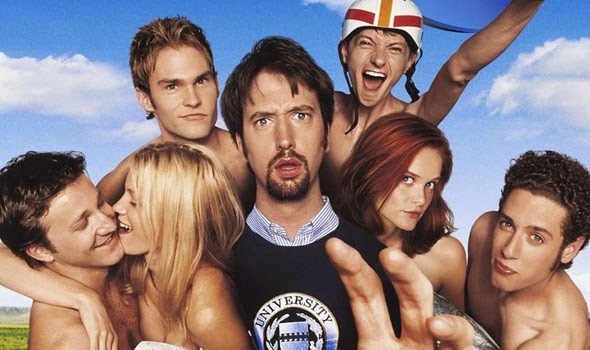
Teen comedy has a history of skirting the line between plausible and pretentious, and with the ambitious “Road Trip,” laughs fly off the screen so fast and consistently that, eventually, the movie shifts into overdrive and practically commits suicide. One can easily smile at the endless supply of quirks offered here: crude sexual undertones, jolting irony and biting one-liners, just to name a few. And yet the picture loses its push just when things are heating up; it assumes that audiences have been manipulated enough to be amused by an oncoming chain of breast shots and banalities of the elderly and the obese. Most will sense something terribly wrong once the film gets so desperate for plausible laughs that a characters winds up holding a mouse in his hands to imitate a snake on the verge of devouring its next meal.

Titan A.E. / **** (2000)

With theater ticket prices on the hike again, many a moviegoer are beginning to utilize foresight in the choices they make regarding what movies to see. Since no one wants to regret losing all that money on something dismal and unrewarding, their approach to most films is weary, and understandably so, given the fact that 2000 is already one of the worst years for movies in ages. Few pictures have offered a significant and rewarding experience (the best exceptions being “American Psycho” and “Gladiator”), while most have given us reason to question the existence of God (the evident choices being “Battlefield Earth” and “Next Friday.”). Now that the summer season is underway at the cinema, hope for is rising for something more stable than the typical junk of previous months.

Wednesday, May 31, 2000

Summer 2000: A Preview Of Things To Come
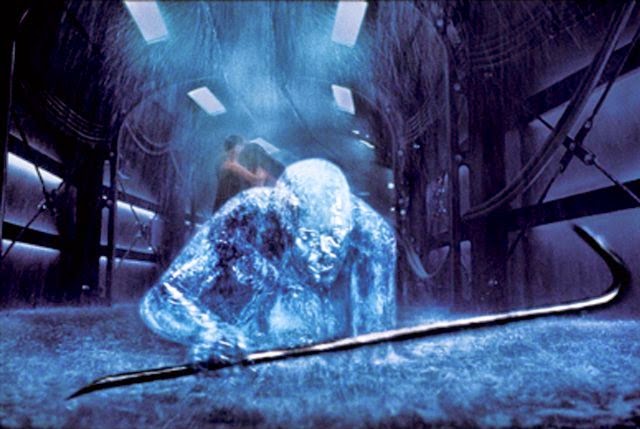
A typical year at the cinema can easily be divided by the seasons, because there is a sense of repetition in the nature of the motion picture releases of those time frames. Whereas spring is a dumping ground for efforts that studios have no faith in, and autumn sees the release of most potential Oscar contenders, the summer film season is the time of year when only one thing is kept in mind by studios: pure entertainment. Such movies come in many flavors (comedy, animation, action adventure etc.), but all seem to be solely in the spirit of giving the audience thrills galore. As such, these pictures are driven by massive budgets and big ensemble casts, in hopes of attracting an audience the size of a small island. Most tend to lack intricate plots and multi-dimensional characters, but who cares? Is that not what the autumn schedule is for?

Monday, May 22, 2000

Battlefield Earth / zero stars (2000)
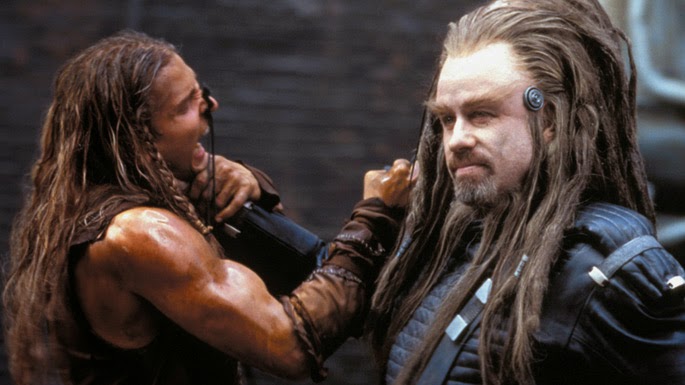
“Battlefield Earth,” opens with a conviction that 1000 years of Earth’s existence has been commanded by a race of aliens called the Psychlos, who support dreadlocks and look like they could be futuristic members of ZZ Top. The big mystery behind all of this is not “how” or “when,” but “why”—why would aliens that are described (more accurately, fabricated) as databases of intellect want the human race under control? What have we ever done to them? Better yet, why do filmmakers continuously encourage stories like these, where the questions never cease and gradually grow larger?

Dinosaur / ***1/2 (2000)

Ever since the days in which cinema was marketing creations like King Kong and Godzilla, Hollywood has had an unremitting fascination with dinosaurs. There is a difficulty many filmmakers have enjoyed confronting over the years: the delightful challenge in creating creatures in movies who have been dead for millions of years. Only recently, in Steven Spielberg’s “Jurassic Park,” were they able to successfully undertake the possibility of making these giant creatures look as realistic as possible using technology as their tool. As a result, we have literally watched these giant unknowns step out of cheesy realizations of the past and into realistic ones of the present. But funny, if you think about it, how special effects are now able to make giant extinct animals look lifelike, but still not ordinary human beings (a la “Eyes Wide Shut”).

Gladiator / **** (2000)

Heroism can be visualized in countless shapes and sizes, but perhaps nothing as mighty as the armor-clad warriors of the legendary Roman Empire. Dressed head-to-toe in protective gear and armed to the teeth with intricate weaponry, these men whom we tend to speak of in whispers lead lives of immeasurable valor—as they march into the fray and unleash massive bloodshed, their skills of combat somehow allow them to emerge from war with almost no wounds to their own flesh. No wonder Hollywood spent so much money on these kinds of stories back in the 1950s; such tales are the embodiment of everything epic. And yet the fact that they can be overly exaggerated does nothing to undermine our sense of amazement.

I Dreamed Of Africa / * (2000)

It has always intrigued me as to what the memoirs of Kuki Gallmann were actually about. Because they endure wide acclaim and, ironically, are seldom seen on bookstore shelves (at least where I have checked), there is a sense of luring enthusiasm that fills me every time they come into discussion. Those who identify with my situation might have been relieved to hear that this collection of recalled adventures in Kenya, Africa, were being taken to the movies with Kim Basinger filling the lead. Good news, at least at the time. Now the movie is done, finished, thrown onto screens for anxious viewers to look at. Too bad they will wind up walking out of the theater with more questions on their mind then what they went in with.

Rules Of Engagement / *1/2 (2000)

“Rules Of Engagement” opens with a big and loud battle sequence meant to benefit from the acquisitions of the magnificent first half hour of Steven Spielberg’s “Saving Private Ryan,” but the difference between the two is frightening; while Spielberg’s work is marvelously paced and shot, with in-your face action that never lets up, the scenes in this film are less meaningful, badly edited, unnecessarily bright and overly flamboyant. To see them unfold is to witness a spectacle of apparent frustration; it’s as if the cinematographer wants his work to match that of his counterpart, but is clueless of how to achieve such success.

Friday, May 5, 2000

The Flintstones In Viva Rock Vegas / 1/2* (2000)

It's no wonder that "The Flintstones" started out as a cartoon; a world in which human beings live in the stone age and use dinosaurs as household appliances is one incapable of surviving a live action production. Many people have enough difficulty in finding it plausible simply by description; it revolves around a town called Bedrock, where families live in houses made of stone, use chisels to write letters, drive cars using their feet as pedals, wear animal skins, and talk with the intellect and tone of an average modern family. Certain details are not that hard to believe, but the combination of them, among others, only makes this concept more pretentious and bloated. In the series, which embodies all of these qualities without a twinge of stability, the least ridiculous element was the fact that the Flintstones eventually went on to meet the Jetsons.

Frequency / *1/2 (2000)

Like fresh toast popping out of the toaster with uncontrollable speed, "Frequency" leaps out of nowhere and slams face-first into a solid wall, crumbling on impact. Such calamity is best illustrated by the stars of the movie, who are signed to participate in a story of thrills and chills, and then are deluded by an oncoming spectacle of illogical plots twists and cheap tear-jerker situations. And that may be unexpected for many, since press blurbs have praised the film high and low, describing it as a combination of "It's A Wonderful Life" and "The Sixth Sense." Then again, what do you get when you mix one good thing with one bad one?

Keeping The Faith / *** (2000)

It seems crazy to believe that anyone could make a movie like "Keeping The Faith" and get away with it. There are certain topics that few people can cross successfully, and the concept of a priest and a Rabbi--this sounds like one of those "walk into a bar" jokes, if you think about it--falling in love with the same woman may seem like a subject of exploitable possibilities. But in this, the directorial debut from Edward Norton, we see two guys who belong to religious orders descend into a frenzy of romance towards a longtime friend, and yet are not at liberty to push aside their religious faith in exchange for passion. This isn't the kind of movie in which men sheltered by their contribution to God question the depth of their faith after falling in love; that would be an approach too obvious and foreseen to succeed. Norton sees something brighter than that: a story that shows men using their faith as tools to help guide them through the intricate rivers of life.

Ready To Rumble / **1/2 (2000)

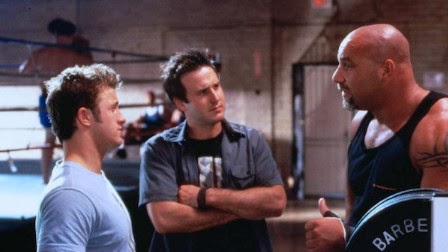
The initial concept of Brian Robbins' "Ready To Rumble" could have easily gotten out of hand without actors like David Arquette and Scott Caan filling the shoes of its dimwitted characters, who seem to believe that wrestling is, in fact, real and undramatized. In a movie that tries to remain doubtful about the authenticity of this sport, a simple miscast could have swayed those intentions because, frankly, certain thespians would take the material too seriously. Men like Arquette and Caan, who are both famous, to some extents, for their idiotic and uncontrollable screen talents (Arquette is seen in those inane "1-800-Collect" commercials, and Caan was seen in last year's juvenile sports trip "Varsity Blues"), are ideal choices here; they seem to relish in the material's theme, which believes, rather understandably, that anyone who believes in such a cheesy display of violence might very well be a few eggs short of a dozen.